How Online Gambling Platforms Appeal to Underage Users
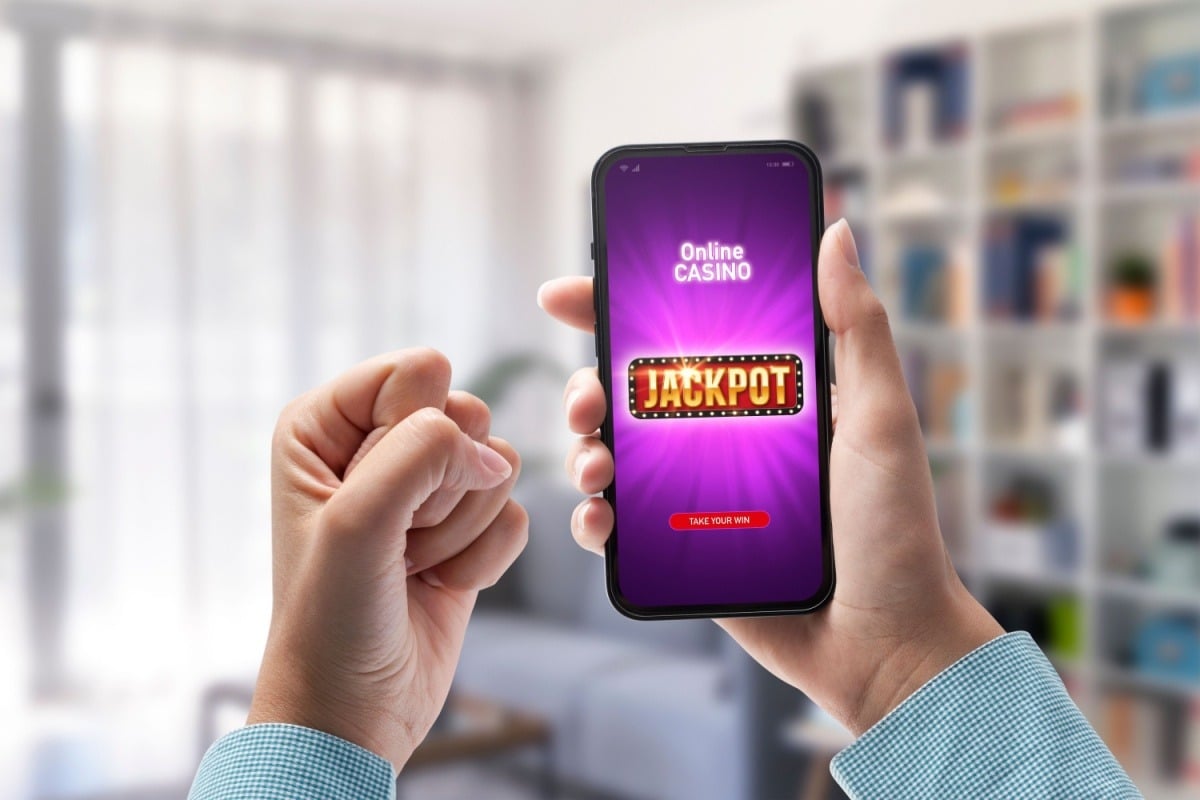
Online gambling isn’t confined to casinos anymore. It now lives in apps, mobile games, social media platforms, and sports interfaces that many teenagers use daily.

Online gambling isn’t confined to casinos anymore. It now lives in apps, mobile games, social media platforms, and sports interfaces that many teenagers use daily.

For decades, Locks Law Firm has stood at the crossroads of mass harm and legal remedy, championing the rights of individuals and communities against powerful

Philadelphia Settlement Delivers Justice for Career Automotive Technician After Benzene-Linked Blood Cancers Locks Law Firm is pleased to announce a $4.6 million settlement on behalf

When A Cheng joined Locks Law Firm in 2022, he was already a seasoned paralegal. He craved learning and growth and found Andrew DuPont, Partner
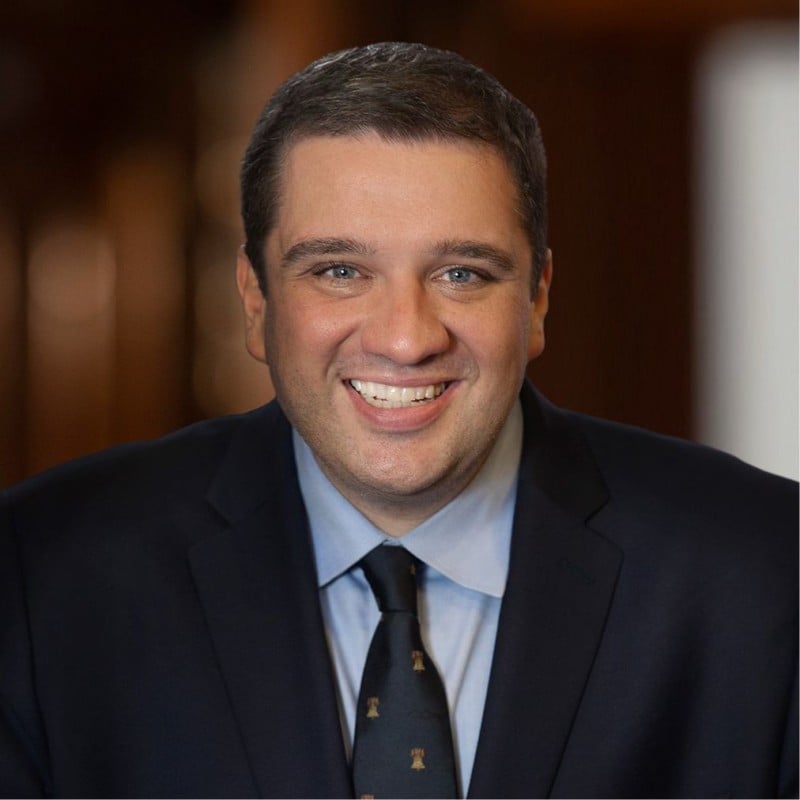
Locks Law Firm is proud to announce the addition of associate attorney Mark J. Metzler. Metzler brings a unique blend of talent to Locks Law
Last month, a Los Angeles County jury held Meta and YouTube legally responsible for harming a child. It was a bellwether case in an industry

Environmental hazards are often invisible—but their consequences can be devastating. At Locks Law Firm, we have spent decades representing individuals harmed by toxic exposure, from
Jill Galzarano has been with Locks Law for more than 30 years, joining the firm fresh out of college. She began her career as a
At Locks Law Firm, we believe the strength of the plaintiff’s bar depends on who gets a seat at the table — and we’re committed